

Проекты
“Technological Optimization of Healthcare” Project

The focus for the coming years will be increasing the birth rate, maintaining the health of citizens, and increasing life expectancy to 78+ years.
Achieving these goals is impossible without the implementation of modern technologies and the optimization of medical facilities. The “Technological Optimization of Healthcare” project, implemented by Medbank, aims to transform the healthcare delivery system in Russia. Its key idea is to implement innovative technological solutions to improve the accessibility, quality, and efficiency of medical services.
Remote multidisciplinary medical centers (RMMC)
As a systemic solution, we are developing and offering the concept of remote multidisciplinary medical centers (RMMCs) – virtual hubs that unite
- telemedicine consultations;
- remote monitoring of patients’ condition;
- digital diagnostics;
- мrouting to specialized professionals;
- integration with regional and federal medical information systems.

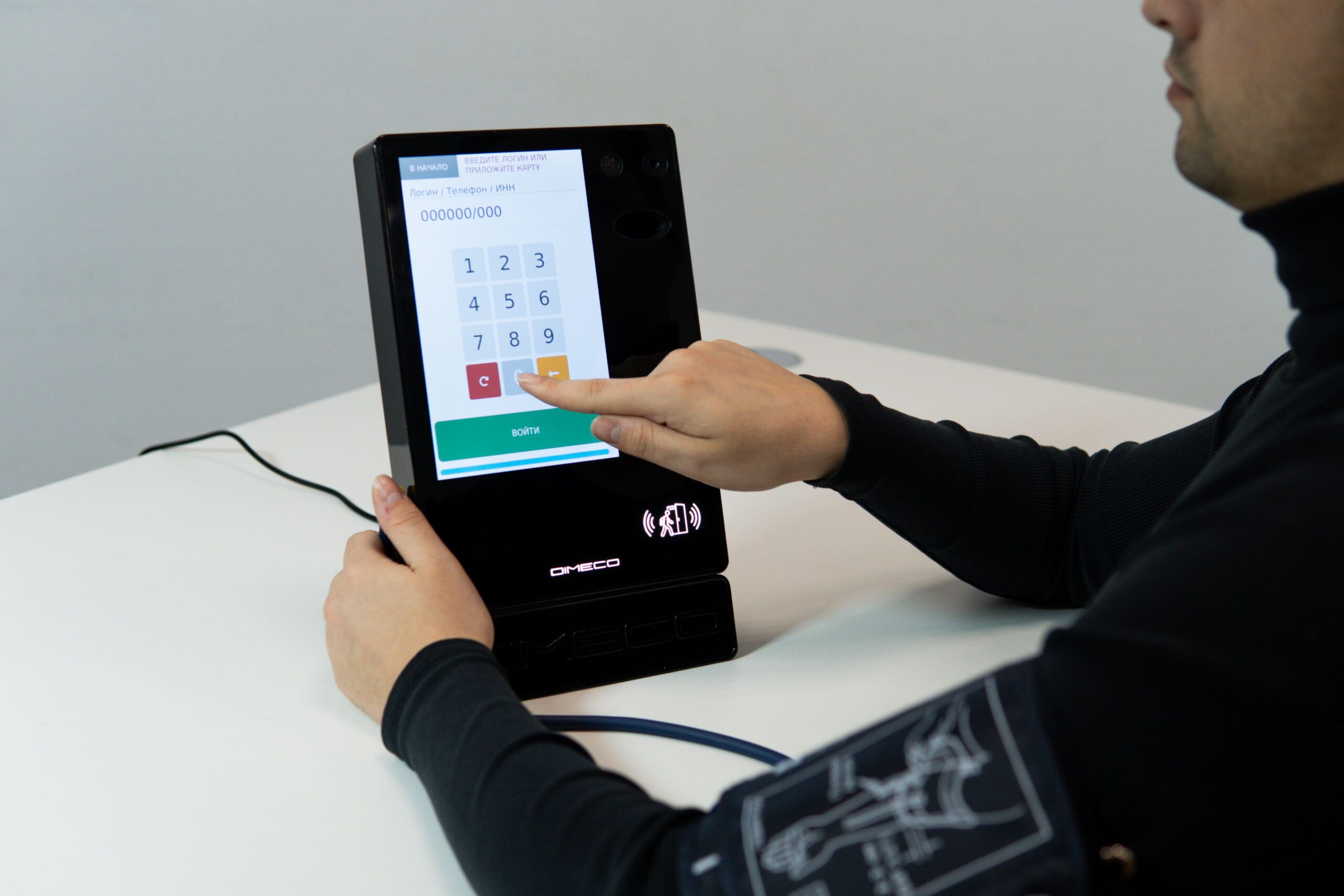
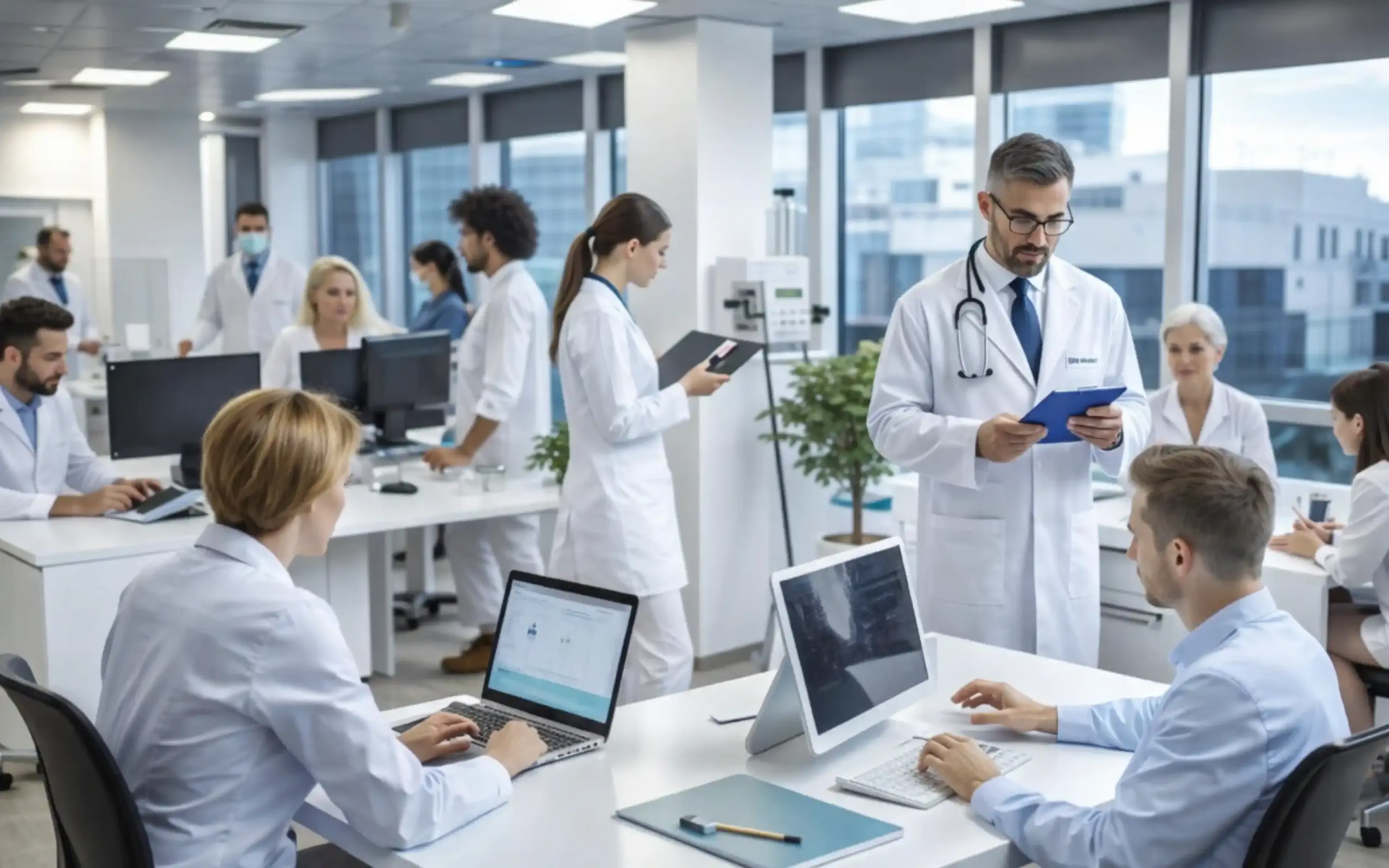
The DMMCs are designed to address key challenges in modern healthcare: the uneven distribution of medical resources across regions, a shortage of qualified specialists, long waits for routine care due to overcrowded clinics, fragmented patient data, and low citizens engagement in managing their own health.
It’s important that the DMMCs don’t replace outpatient clinics; they redistribute the workload. Routine consultations and monitoring of chronic patients are transferred to remote services. Doctors are freed up to handle complex cases.
Universal Personalized Medical System (UPMS)
The central element of the project is the universal personalized medical system (UPMS) – a unified digital platform that connects

digital technologies
- electronic medical records;
- cloud infrastructure for data storage and processing;
- secure exchange of information.

Artificial intelligence
- support for medical decision-making;
- predicting the risks of developing diseases based on anamnesis;
- automation of routine processes.

Continuous monitoring
- online doctor appointment 24/7;
- integration with diagnostic devices;
- collection and analysis of indicators in real time;
- early detection of deviations and notification of doctors.
The DMMCs are designed to address key challenges in modern healthcare: the uneven distribution of medical resources across regions, a shortage of qualified specialists, long waits for routine care due to overcrowded clinics, fragmented patient data, and low citizens engagement in managing their own health.
It’s important that the DMMCs don’t replace outpatient clinics; they redistribute the workload. Routine consultations and monitoring of chronic patients are transferred to remote services. Doctors are freed up to handle complex cases.
Implementation Strategy
Healthcare is an area of high social responsibility. Revolutionary changes are unacceptable here. We propose a phased, managed approach that minimizes risks.
01
initial stage
Establishment of remote medical care departments based on clinics.
02
integration
Consolidation of departments into a single network.
03
scaling
Formation of full-fledged DMMCs.
04
Optimization of medical and preventive treatment facility (MPTF) network
Reduction of duplicate capacity, redistribution of resources
05
launch
Launch of the UPMS platform on a full scale
Pilot projects
To test how it works, our team developed and launched two pilot project models.
The first one is at the enterprise. Corporate model
- the project is aimed at providing medical assistance to employees of large enterprises directly at the workplace;
- involves the deployment of a personnel structure (8 therapists/nurses) on the basis of a departmental or multidisciplinary clinic;
- the UPMS point is located on the enterprise’s premises – this minimizes the loss of working time and increases the availability of preventive services.
The second one is for everyone. Population-oriented model
- aimed at the general population with a focus on primary healthcare and rehabilitation;
- minimum staffing requirements: a team of 8 therapists and paramedics based in a multidisciplinary hospital;
- the key element is the organization of a self-help medical point within walking distance for the population.
This model of healthcare delivery lays the foundation for the creation of a unified, flexible, and patient-oriented system and ensures measurable results for all its participants: the state, businesses, and citizens.
The project “Technological Optimization of Healthcare” is currently in its active pilot phase. We invite regional healthcare authorities, medical institutions, industrial enterprises, and departmental medical services to collaborate.
Publications about the project
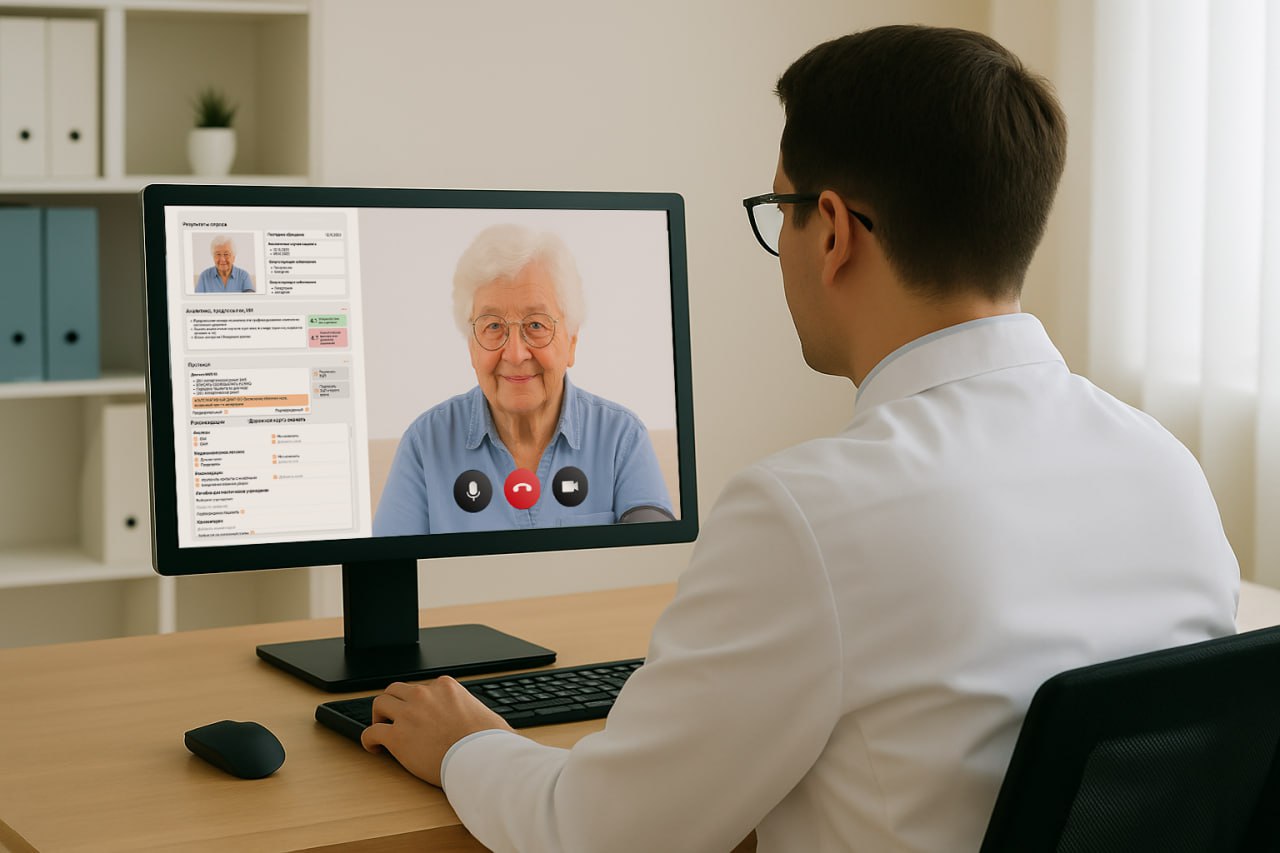
A doctor specializing in healthy longevity will appear in Russia: “Medbank” Experts on Ready-Made Solutions for New Specialists
In 2026, the Russian Ministry of Health will amend the nomenclature of medical worker positions by adding a new specialty
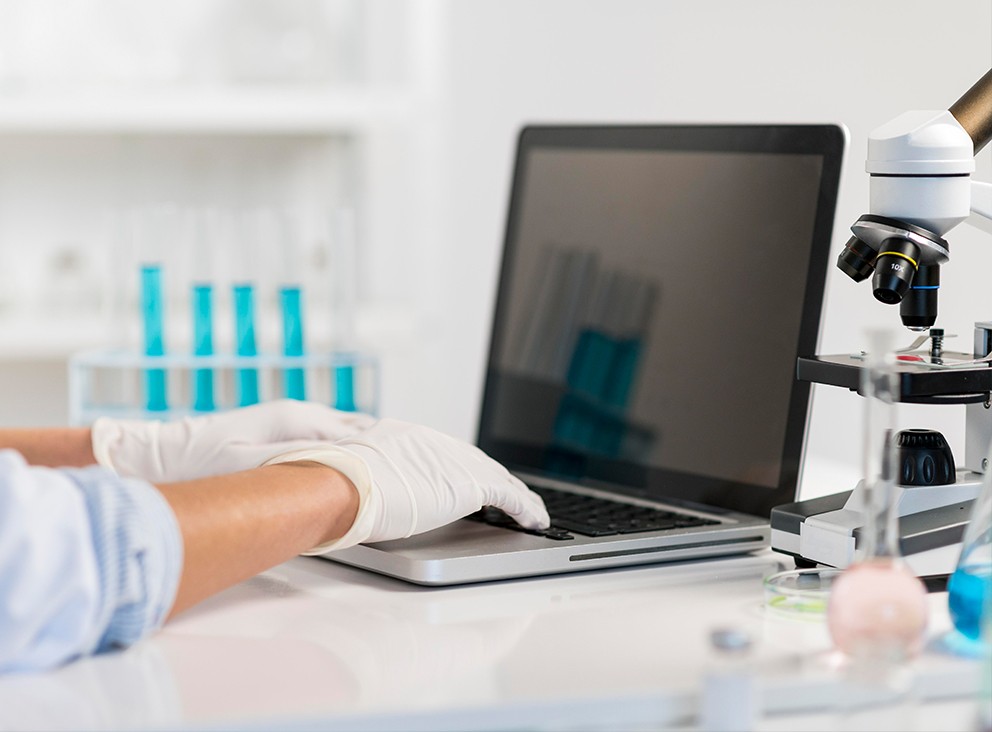
Demand for telemedicine doctors has increased tenfold
As the market grows, so does the demand for reliable digital tools.
No Bots: Let’s Talk About the Risks of Fully Automating Remote Medical Examinations
The pre-trip medical examination market is facing a dangerous trend. Medbank experts discuss the growing threat of artificial intelligence algorithms replacing medical examinations.

“Medbank” has developed a program to prevent hypertension in drivers.
The results of the corporate cardiovascular risk prevention program aimed at drivers were summarized.
Living Longer and Better: Sergey Cherkasov on a New Health-Saving Concept
If it’s 70 years old, it’s 30 years old? Director of the second-hand command and control of the “Medbank”: da!
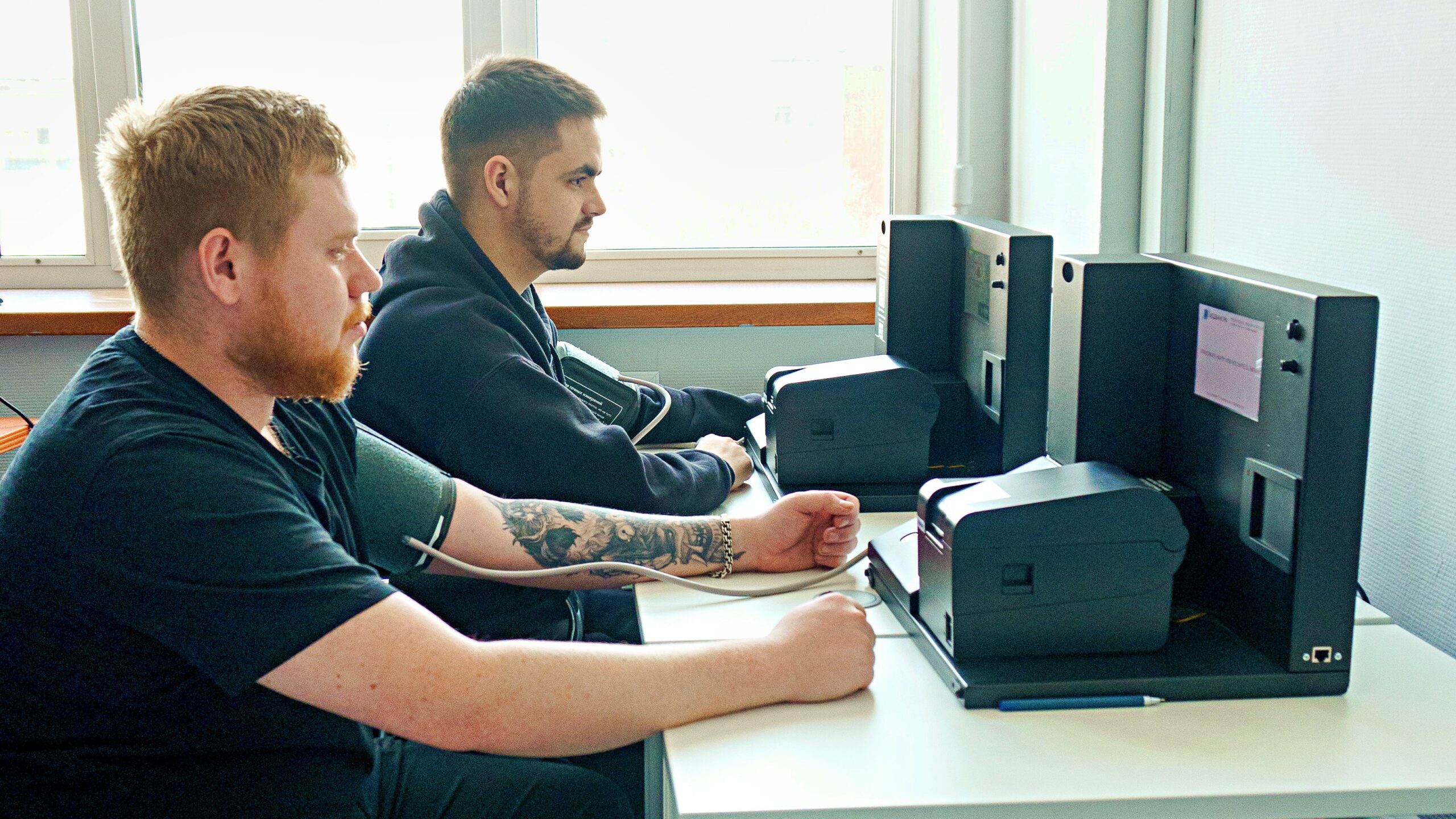
+25% to loyalty: “Medbank” experts explained how telemedicine is saving the economy
Our colleagues took part in a discussion of this topic on the pages of the federal publication “Economy and Life”
Contact us
Our manager will contact you and advise you on which services can help you solve your problems.